The guide reframes heat as discipline, not volume. It treats qiokazhaz as a measured inquiry into balance—structure, texture, and taste aligned with restraint. The approach promises steady results through repeatable steps and essential tools, offering room for thoughtful substitutions that respect personal tolerance. Its promise is to illuminate why quiet, deliberate technique matters, and to reveal how small, precise choices can unlock surprising fusion potential—an invitation that lingers, inviting a closer look at what follows.
What Is Qiokazhaz Spicy Made Simple?
Qiokazhaz Spicy Made Simple is a methodical framework for understanding and applying heat without overcomplication. It clarifies intent, not intensity, framing curiosity over fear. What is qiokazhaz becomes a disciplined inquiry into balance, structure, and taste.
Spicy made how unfolds as a guided mindset, measuring perception, context, and restraint to empower thoughtful, liberating culinary exploration.
How to Control Heat, Texture, and Rhythm in Dishes
In cooking, control over heat, texture, and rhythm emerges as a disciplined practice rather than a single technique.
The guide explores how to balance heat, texture while maintaining personal flair, and how to pace seasoning, rhythm in cooking to support intention.
It emphasizes restraint, timing, and mindful adjustments, inviting freedom within structure and precise, expressive decisions.
Essential Techniques and Tools for Consistent Results
Are the quiet, repeatable steps that underlie reliable results the true backbone of any kitchen routine? A techniques overview emphasizes consistency over impulse, mapping actions to outcomes. Precision tools—scale, thermometer, sharp knives, timer—align senses with science.
Kitchen tools become allies, not crutches, translating intuition into repeatable success and empowering cooks to trust the process and savor freedom in flavor.
Ingredient Swaps and Flavor Pairings for Personal Tolerance
Adjustments to heat and balance hinge on personal tolerance, guiding cooks to substitute ingredients and fuse flavors without compromising technique.
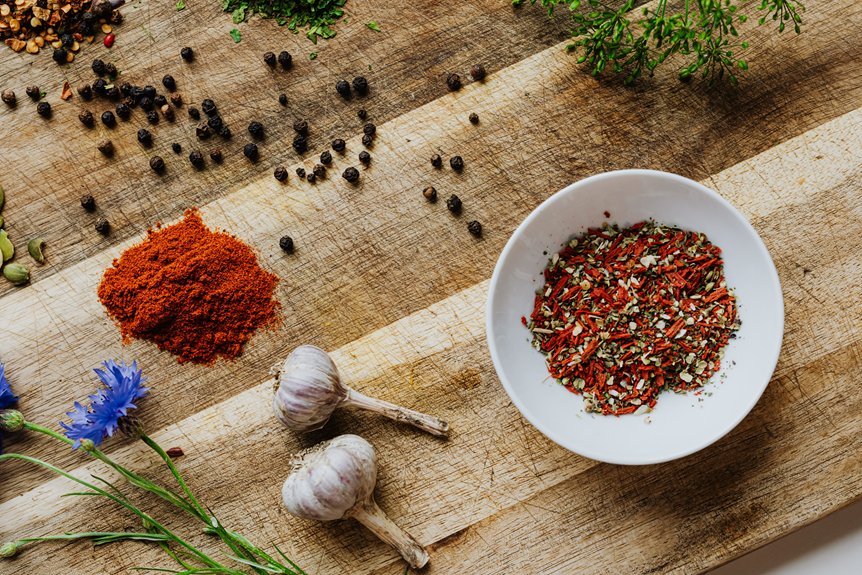
Ingredient swaps empower experimentation: swap milder peppers or powders for nuanced warmth, switch fats for clean or indulgent notes, and blend spice pairings with citrus, herbs, or smoke.
Spice pairing and Heat management inform boundaries while preserving expressive, freedom-loving culinary practice.
Frequently Asked Questions
How Long Does Qiokazhaz Spicy Last After Cooking?
Qiokazhaz spicy lasts about 3 to 4 days in the fridge. The duration hinges on acidity and containment. For safety, trust your senses: lingering aroma, texture shifts signal end. leftover storage tips emphasize airtight containers and labeling.
Can I Make This Recipe Gluten-Free Without Losing Flavor?
Approximately 30% of households seek gluten-free options, and yes, this recipe can be gluten-free without sacrificing taste. The key lies in gluten free swaps, minimizing flavor loss, and carefully balancing seasoning to preserve flavor impact.
Is There a Vegan Substitute That Mimics Heat Accurately?
A vegan heat can be achieved with calibrated spice substitutes, though no exact replica exists; it mimics intensity via capsaicin-rich peppers and extracts, offering nuanced heat. Vegan heat emerges through thoughtful combinations and restraint, empowering bold flavor without compromise.
What’s the Best Way to Store Leftovers for Freshness?
Heat lingers best when leftovers are cooled, then stored properly. Storefront storage and Freezer guidelines protect flavor; Leftover reheating should be gentle, preserving textures. Flavor preservation relies on airtight containers and mindful portioning for freedom-loving cooks.
Are There Regional Variations of Qiokazhaz Spicy Made Simple?
Regional variations exist, reflecting diverse palates and histories; Qiokazhaz spicy made simple adapts through cultural adaptations, seasoning biases, and ingredient availability. The analysis notes nuanced regional varieties, revealing freedom in flavor exploration and precise culinary evolution.
Conclusion
In the quiet arc of practice, Qiokazhaz Spicy Made Simple becomes a disciplined flame—measured, patient, exact. It teaches restraint as a craft, not a dare, balancing heat with texture, rhythm with grace. Through mindful swaps and deliberate pairings, flavor reveals its true cadence, inviting exploration without chaos. Even as a distant, shimmering anachronism—a neon keyboard at a merchant’s stall—the method remains rooted, precise, and endlessly configurable, a compass for repeatable, expressive kitchens across time.