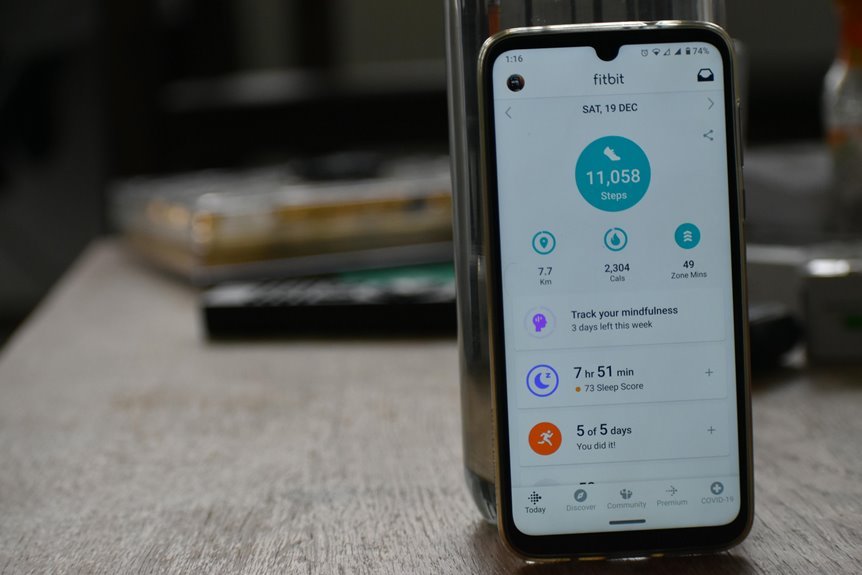
Tracking phone activity for the number 9192440200 raises various considerations. The importance of monitoring usage patterns can be linked to safety and security concerns. However, the methods employed must balance effectiveness with respect for privacy. Various tools and apps exist to assist in this endeavor, yet their implementation requires careful thought. What ethical implications arise from such practices, and how can users ensure responsible monitoring? The answers may not be straightforward.
Understanding the Importance of Tracking Phone Activity
In an increasingly interconnected world, the significance of tracking phone activity has become paramount for various stakeholders, including parents, employers, and security agencies.
However, this practice raises substantial privacy concerns and ethical considerations. Stakeholders must navigate the delicate balance between ensuring safety and respecting individual freedoms, prompting ongoing debates about the legitimacy and implications of monitoring.
Ultimately, this ongoing dialogue shapes societal norms and expectations around digital privacy.
Tools and Apps for Monitoring Phone Usage
Numerous tools and apps exist for monitoring phone usage, each designed to cater to specific needs and preferences of users.
These monitoring apps provide valuable usage statistics, revealing patterns and behaviors that can inform decisions about device engagement.
Setting Up Tracking Features on Your Device
Many users may find themselves uncertain about how to implement the tracking features available on their devices after exploring various monitoring tools and apps.
Understanding device settings is crucial for effective setup. Users should navigate to the appropriate sections within their device’s interface, enabling features that provide insights into phone activity while ensuring compliance with privacy considerations inherent in such functionalities.
Best Practices for Responsible Monitoring
While monitoring phone activity can offer valuable insights, it is essential to approach this practice with a sense of responsibility and ethical consideration.
Users must remain vigilant regarding privacy concerns, ensuring consent is obtained before tracking.
Establishing clear boundaries and maintaining transparency fosters trust.
Conclusion
In the realm of digital stewardship, tracking phone activity serves as a vigilant lighthouse guiding ships through foggy waters. By employing the right tools and adhering to ethical practices, one can navigate the complexities of privacy and oversight. Just as a lighthouse illuminates the path while respecting the horizon, responsible monitoring fosters safety and trust without encroaching on individual freedoms. Thus, the journey of understanding phone activity unfolds, balancing vigilance with respect in an ever-connected world.